Categories

How Intranet Drive Engagement and Talent Development

Human Resources (HR) plays a pivotal role in fostering a positive work environment, attracting top talent, and reducing turnover. Harnessing the power of an effectively designed intranet can significantly contribute to achieving these goals. Here’s how your HR department can utilise the intranet to drive success:

1. Promoting Employee Engagement and Building Morale:

  • Create online polls and surveys to gather feedback and suggestions from employees.
  • Recognise and reward employees through announcements and awards on the intranet.
  • Share customer testimonials to boost pride and morale among employees.
  • Facilitate employee-driven initiatives, such as wellness programs or social events, through intranet forums or groups.
  • Provide avenues for employees to showcase their work or share their expertise, fostering a sense of pride and accomplishment.
  • Implement a suggestion box feature on the intranet to encourage employees to share ideas for improvement and innovation.
  • Organise virtual team-building activities and challenges to promote camaraderie among remote or distributed teams.

2. Finding and Training New Talent:

  • Post job openings on the intranet’s message board to solicit internal candidates.
  • Use the intranet to identify potential leaders based on their engagement and contributions.
  • Incorporate the intranet into the onboarding process for new hires to help them acclimate to the company culture.
  • Offer online training modules and resources to enhance employee skills and knowledge, promoting continuous learning and development within the organisation.
  • Create a virtual mentorship program where experienced employees can mentor new hires or junior staff members through the intranet.

3. Reducing Turnover:

  • Foster personal relationships among employees through an interactive staff directory and social features.
  • Enable remote working and flexible schedules through the intranet to promote work-life balance.
  • Create a sense of community and belonging among employees through social intranet features.
  • Provide opportunities for mentorship and career advancement within the organisation, helping to retain top talent and reduce turnover.
  • Conduct exit interviews through the intranet to gather feedback from departing employees and identify areas for improvement to reduce future turnover.

By leveraging your intranet effectively, HR can enhance employee engagement, attract and retain top talent, and create a positive work environment conducive to organisational success.

Categories

The Great Debate: Buying vs. Building Intranet Solutions

In today’s digital age, businesses are constantly seeking ways to improve communication, collaboration, and productivity among their employees. One of the key tools in achieving these goals is an intranet solution. An intranet serves as a private network within an organisation, allowing employees to access company information, collaborate on projects, and communicate with each other. However, when it comes to implementing an intranet solution, businesses are often faced with a crucial decision: should they buy an off-the-shelf solution or build one from scratch? Let’s delve into this debate to understand the pros and cons of each approach.

Buying an Intranet Solution:

Purchasing an off-the-shelf intranet solution can be a quick and cost-effective way to implement an intranet in your organisation. These solutions are pre-built and come with a range of features designed to meet the needs of various businesses. They often include features such as document management, collaboration tools, and employee directories, among others.

One of the key advantages of buying an intranet solution is the time saved in development and implementation. With a pre-built solution, you can have your intranet up and running in a matter of days or weeks, compared to the months or even years it can take to build one from scratch.

Additionally, off-the-shelf intranet solutions are typically more affordable than building a custom solution. They often come with a fixed price, making budgeting easier for businesses of all sizes. Furthermore, these solutions are usually supported by the vendor, ensuring that you have access to technical support and updates.

However, buying an intranet solution also has its drawbacks. Since these solutions are pre-built, they may not fully meet the unique needs of your organisation. You may find yourself having to work around limitations or missing features, which can hinder adoption and impact overall productivity.

Building an Intranet Solution from Scratch:

On the other hand, building an intranet solution from scratch offers the advantage of customisation. You can tailor the intranet to meet the specific needs of your organisation, ensuring that it aligns perfectly with your business processes and workflows. This level of customisation can lead to higher adoption rates among employees and increased productivity.

Building a custom intranet solution also allows for greater scalability. As your business grows and evolves, you can easily add new features and functionalities to the intranet to accommodate changing needs. This flexibility can be crucial for businesses looking to stay ahead in today’s fast-paced business environment.

However, building an intranet solution from scratch can be a complex and time-consuming process. It requires a significant investment of time, resources, and expertise to design, develop, and deploy a custom solution. Additionally, ongoing maintenance and support can add to the overall cost of ownership.

In conclusion, the decision to buy or build an intranet solution ultimately depends on the specific needs and resources of your organisation. Buying an off-the-shelf solution can offer a quick and cost-effective way to implement an intranet, while building a custom solution allows for greater customisation and scalability.

Regardless of the approach you choose, it’s important to carefully evaluate your options and choose a solution that aligns with your business goals and objectives. By selecting the right intranet solution, you can help improve communication, collaboration, and productivity within your organisation. To discuss more, click here to book a free demo

Categories

Redefining Intranets in 2024: The AI Revolution

Intranets have long been a staple of organisational communication and collaboration, serving as a centralised hub for employees to access important information, documents, and tools. However, as we move further into the digital age, the role of intranets is rapidly evolving, driven by advancements in artificial intelligence (AI) and machine learning. In 2024, we are witnessing a revolution in how intranets are being redefined to meet the changing needs of modern workplaces.

Personalisation Through AI

One of the key ways intranets are being redefined is through AI-powered personalisation. AI algorithms analyse user behaviour and preferences to deliver tailored content and experiences. This personalisation goes beyond simply recommending relevant articles or documents; it extends to customising the entire intranet interface based on individual user preferences. This level of personalisation not only increases employee engagement but also ensures that each user has quick and easy access to the information and tools they need to be productive.

Intelligent Search

Another area where AI is redefining intranets is in search functionality. Traditional keyword-based search is being replaced by AI-powered natural language processing (NLP) search engines. These engines are capable of understanding the intent behind user queries, allowing employees to search for information using everyday language. This makes finding information on the intranet faster and more intuitive, leading to increased efficiency and productivity.

Automation for Efficiency

AI is also revolutionising intranets through automation. Routine tasks that were once time-consuming and manual, such as HR onboarding and document management, are now being automated through AI. This automation not only saves time but also allows employees to focus on more strategic tasks, leading to increased productivity and innovation within the organisation.

Predictive Analytics

In addition to personalisation and automation, AI is also enabling intranets to utilise predictive analytics. By analysing data trends and user behaviour, AI can provide actionable insights that enable proactive decision-making. For example, AI can forecast HR needs based on company projections or anticipate potential maintenance requirements for critical infrastructure. This predictive capability allows organisations to stay ahead of the curve and make informed decisions.

Chatbots and Virtual Assistants

Finally, AI-powered chatbots and virtual assistants are becoming integral parts of modern intranets. These tools provide instant support to employees, answering questions, completing requests, and augmenting the overall user experience. Chatbots are continuously learning from user interactions, allowing them to provide increasingly accurate and helpful responses over time.

In conclusion, AI is redefining intranets in 2024 by enabling personalisation, intelligent search, automation, predictive analytics, and chatbot integration. These advancements are not only improving employee engagement and productivity but also transforming the way organisations communicate and collaborate. As we continue to embrace AI technologies, the future of intranets promises to be even more innovative and transformative.

Click here to book a free demo today.

Categories

Privacy Policy for Products by Intelligent Decisioning

Privacy Policy for Products by Intelligent Decisioning

1. Introduction

Intelligent Decisioning (“we”, “us”, “our”) respects your privacy and is committed to protecting your personal data. This Privacy Policy will inform you as to how we look after your personal data when you use our Product and tell you about your privacy rights and how the law protects you.

2. Personal Data We Collect

We may collect, use, store and transfer different kinds of personal data about you which we have grouped together as follows:

– Identity Data includes first name, last name, username or similar identifier.

– Contact Data includes billing address, delivery address, email address and telephone numbers.

– Technical Data includes internet protocol (IP) address, your login data, browser type and version, time zone setting and location, browser plug-in types and versions, operating system and platform, and other technology on the devices you use to access our Product.

3. How We Use Your Personal Data

We will only use your personal data when the law allows us to. Most commonly, we will use your personal data in the following circumstances:

– Where we need to perform the contract we are about to enter into or have entered into with you.

– Where it is necessary for our legitimate interests (or those of a third party) and your interests and fundamental rights do not override those interests.

– Where we need to comply with a legal obligation.

4. Data Security

We have put in place appropriate security measures to prevent your personal data from being accidentally lost, used or accessed in an unauthorised way, altered or disclosed.

5. Changes to Our Privacy Policy

Any changes we may make to our privacy policy in the future will be posted on this page. Please check back frequently to see any updates or changes to our privacy policy.

6. Contact Us

If you have any questions about this privacy policy or our privacy practices, please contact us at: privacy@id-live.com.

Categories

11 Intranet Best Practices to Boost Employee Engagement

Employee engagement with intranet software can be a challenge for many companies. Despite investing heavily in legacy intranet solutions, employees often ignore them, leading to underutilisation. However, a modern intranet that is user-friendly and engaging can change this dynamic. Here are 11 best practices to help you improve employee engagement with your intranet.

  1. Modernise Your Intranet: Ensure your intranet is up-to-date with modern features like social media integration, modern design, and a seamless user experience. A modern interface can significantly increase adoption rates among employees.
  2. Choose the Right Platform: Select an intranet platform that promotes collaboration and communication. Platforms like Mercury offer a social intranet experience that encourages engagement through features like news feeds and employee recognition.
  3. Develop a Strategy: Create a roadmap for your intranet implementation with clear goals and milestones. Define what success looks like for your intranet and plan accordingly.
  4. Optimise Homepage and Navigation: Keep your intranet homepage clean and organised, displaying only the most relevant information. Ensure easy navigation throughout the intranet to enhance user experience.
  5. Optimise for Remote Work: Given the prevalence of remote work, make sure your intranet is accessible from anywhere. Consider the challenges remote workers face, such as communication fatigue, and tailor your intranet to meet their needs.
  6. Mobile-Friendly Design: With the majority of web traffic coming from mobile devices, ensure your intranet is mobile-friendly. Consider developing a dedicated mobile app for easy access.
  7. Build a Healthy Work Culture: Use your intranet to foster a positive work culture by encouraging communication and engagement. Create interest groups and facilitate peer recognition to boost morale.
  8. Centralise Communication: Make your intranet the go-to channel for company communication. Integrate it with other tools to streamline communication efforts.
  9. Embrace Social Features: Incorporate social elements into your intranet to encourage engagement. Allow employees to like, comment, and share content, creating a more interactive experience.
  10. Ensure Security and Scalability: Choose an intranet platform that prioritises security and scalability. Look for certifications like ISO27001 to ensure data safety.
  11. Measure Engagement: Use your intranet to measure employee engagement through features like public recognition and interest groups. Monitor engagement levels to gauge the success of your intranet strategy.

By following these best practices, you can improve employee engagement with your intranet and create a more connected and collaborative work environment. Book a free demo and know more about how we can help your organisation.

Categories

5 Benefits to Leveraging AI for Your Intranet

In today’s fast-paced digital landscape, businesses are constantly seeking innovative solutions to streamline operations and enhance productivity. One such solution that has gained significant traction in recent years is the integration of artificial intelligence (AI) into intranet systems. AI-powered intranets offer a wide range of benefits that can revolutionise the way organisations communicate, collaborate, and manage information. In this blog post, we’ll explore five key benefits of leveraging AI for your intranet.

  • Improved Search and Knowledge Discovery AI-powered search capabilities can significantly enhance the user experience by providing more relevant and accurate search results. By leveraging natural language processing (NLP) and machine learning algorithms, AI can understand user queries and retrieve information from various sources within the intranet. This not only saves time but also improves productivity by ensuring that employees can quickly find the information they need.
  • Personalised Content Recommendations AI can analyse user behavior and preferences to deliver personalised content recommendations. By understanding each user’s interests and job role, AI can suggest relevant articles, documents, and resources, helping employees stay informed and engaged. This personalised approach can enhance employee satisfaction and drive adoption of the intranet platform.
  • Enhanced Communication and Collaboration AI-powered chatbots can facilitate seamless communication and collaboration within the organisation. Chatbots can answer common questions, provide information, and even assist with tasks such as scheduling meetings or booking resources. This reduces the burden on IT and HR teams and enables employees to access the information they need quickly and easily.
  • Automation of Routine Tasks AI can automate routine tasks, such as document categorisation, file tagging, and content moderation. By automating these tasks, AI frees up employees’ time to focus on more strategic activities, ultimately improving productivity and efficiency across the organization.
  • Data-driven Insights and Decision-making AI can analyse vast amounts of data to provide valuable insights that can inform decision-making. By leveraging AI-driven analytics, organisations can gain a deeper understanding of employee engagement, content consumption patterns, and intranet usage trends. This data-driven approach can help organisations identify areas for improvement and optimise their intranet strategy accordingly.

In conclusion, leveraging AI for your intranet can provide a wide range of benefits, including improved search and knowledge discovery, personalised content recommendations, enhanced communication and collaboration, automation of routine tasks, and data-driven insights. By embracing AI-powered intranets, organisations can transform the way they work and drive innovation across the enterprise.

Categories

How intranets help create a positive employee experience

Crafting a positive employee experience is pivotal for business and HR leaders, as it directly impacts engagement, productivity, and retention. According to Jacob Morgan, a renowned author on employee experience, fostering a positive workplace environment involves focusing on culture, technology, workspace, and intentionally designed experiences. In this context, intranets play a crucial role in enhancing the employee experience by facilitating streamlined workflows, promoting transparency, supporting flexible working, fostering a sense of community, and aligning employees with the company’s purpose and values.

  1. Streamlining Workflows: An effective intranet provides employees with easy access to information, resources, and support, thereby streamlining everyday tasks and increasing efficiency. Whether it’s finding documents, connecting with colleagues, or resolving HR queries, a centralized platform simplifies the work experience.
  2. Promoting Transparency: Organizational transparency is essential for fostering trust and engagement among employees. By ensuring everyone has access to the same news and updates simultaneously, intranets support transparency, inclusivity, and equity within the organization.
  3. Supporting Flexible Working: With the rise of remote and hybrid work arrangements, intranets serve as the backbone for flexible working by providing a central platform for accessing company information and resources from anywhere, at any time.
  4. Fostering Community: Intranets play a crucial role in nurturing a sense of belonging and community among employees, irrespective of their location or role. Features such as opinion sharing, peer recognition, and personal achievements help strengthen connections within the organization.
  5. Engaging Deskless Workers: Intranets are not limited to desk-based employees; they also cater to deskless workers by providing mobile access to company resources and fostering communication and collaboration across various work settings.
  6. Aligning with Company Values: By echoing the company’s purpose and values, intranets reinforce a culture of purpose and inspire employees to contribute meaningfully to the organization’s goals.
  7. Promoting Recognition: Intranets facilitate a culture of appreciation by providing a platform for recognizing and celebrating the efforts and achievements of employees, thereby boosting morale and engagement.
  8. Supporting Wellbeing: A dedicated intranet wellbeing hub can offer employees access to support services, resources, and information related to mental health and overall wellbeing, promoting a healthy work environment.
  9. Empowering Employee Voice: Intranets enable employees to share their opinions, feedback, and ideas, fostering a culture of active listening and collaboration within the organization.
  10. Nurturing Growth and Development: By promoting internal vacancies, training opportunities, and professional development resources, intranets support employees’ growth and career advancement.
  11. Enhancing the Employee Journey: From onboarding to offboarding, intranets facilitate a seamless employee experience by providing essential information, resources, and support at every stage of the journey.
  12. Supporting Leaders: Intranets serve as a valuable resource for leaders, offering access to important documents, updates, and supportive resources, thereby aiding their decision-making and fostering a sense of community among leaders.

In conclusion, intranets serve as the technological heart of an organization, fostering a positive employee experience by promoting transparency, community, and alignment with company values. By leveraging the capabilities of intranets, organizations can create a supportive and engaging workplace environment that drives employee satisfaction, productivity, and loyalty.

Book a free demo today!

Categories

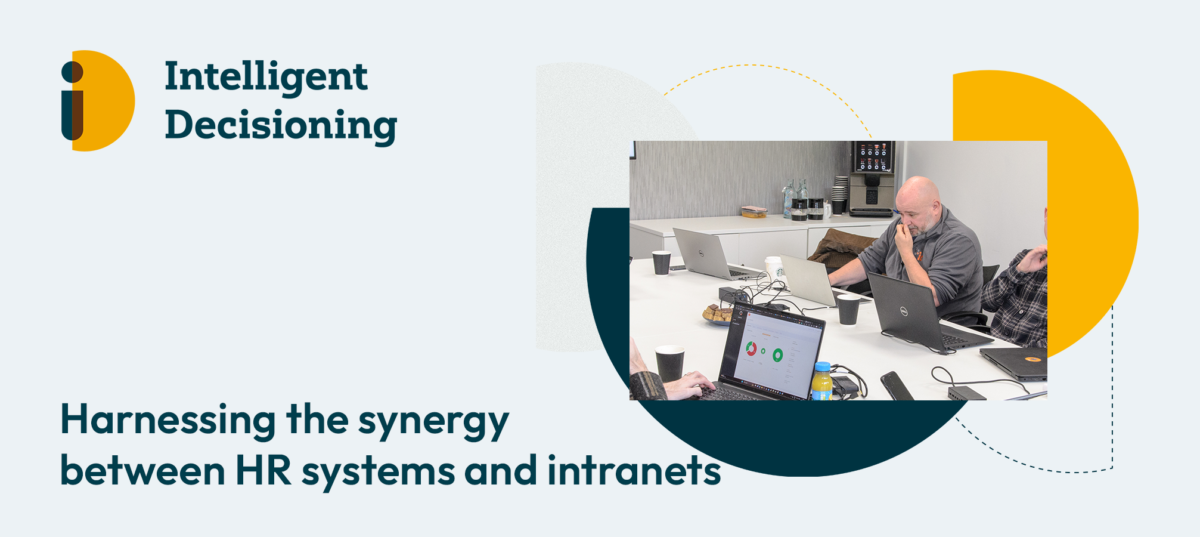
Harnessing the Synergy Between HR Systems and Intranets

In the realm of modern business management, the synergy between HR systems and intranets stands as a pivotal force. While each serves distinct functions, their strategic integration holds the key to optimising organisational processes and enhancing the employee experience.

Unveiling the Strengths:

1. HR Systems: Streamlining HR Processes

HR systems excel at consolidating various HR processes, acting as centralised repositories for employee information. By automating tasks like payroll processing, benefits administration, and performance tracking, they elevate data accuracy and accessibility. This empowers HR professionals to focus on strategic initiatives while enabling data-driven decision-making.

2. Intranets: The Hub of Organisational Connectivity

Intranets, on the other hand, serve a broader organisational purpose. They act as central sources of truth, facilitating internal communication, disseminating news and updates, and fostering knowledge sharing among teams. Over time, they evolve into digital homes for employees, providing vital business information and fostering a sense of unity among remote workers.

Creating Synergy:

1. Comprehensive Employee Insights

By integrating HR systems and intranets, organisations gain a comprehensive view of employees. While HR systems offer back-end data, such as payroll details, intranets provide a front-end perspective, showcasing an employee’s role and interactions. This holistic view enables better decision-making and enhances employee connectivity.

2. Enhanced Visibility for HR

Intranets, integrated with productivity tools, enhance HR visibility across the organisation. They streamline the dissemination of HR-related information and drive adoption of HR platforms. Moreover, intranets serve as communication hubs, ensuring consistent updates on HR happenings and fostering clarity.

3. Empowering Self-Service

Both HR systems and intranets empower employees with self-service capabilities. While HR systems enable tasks like updating personal information, intranets facilitate knowledge sharing and collaboration. Together, they encourage self-service actions and promote efficiency.

4. Fostering Collaborative Environments

Integrating intranets with HR systems fosters collaboration and innovation. HR can leverage intranets to announce new hires, recognise achievements, and facilitate project collaboration. This synergy cultivates a culture of teamwork and drives organisational success.

In essence, the fusion of HR systems and intranets transcends individual functionalities, paving the way for a cohesive organisational ecosystem. By harnessing their collective strengths, businesses can optimise operations, elevate employee engagement, and thrive in today’s dynamic landscape.

Book a free demo today to understand more about how we can help your organisation!

Categories

5 Reasons You Need an Intranet & Document Management System

Businesses are constantly looking for ways to improve employee collaboration, streamline procedures, and increase productivity in today’s fast-paced digital environment. One solution that has gained significant traction in recent years is the implementation of an intranet and document management system. These platforms offer a centralised hub for communication, document sharing, and knowledge management within organisations. Let’s delve into the top five reasons why your business needs an intranet and document management system:

  • Centralised Information Repository: One of the most significant advantages of an intranet and document management system is the ability to centralise all company information in one accessible location. Instead of scattering documents across multiple platforms or relying on outdated shared drives, employees can easily locate the latest policies, procedures, and project files within the intranet. This centralised repository ensures that everyone has access to the most up-to-date information, reducing the risk of errors caused by outdated documents and improving overall efficiency.
  • Enhanced Collaboration: Collaboration is key to driving innovation and achieving business objectives. An intranet and document management system facilitate collaboration by providing tools for real-time document editing, version control, and team communication. Whether employees are working on a project together or seeking input from colleagues across different departments, these platforms make it easy to share ideas, provide feedback, and collaborate effectively regardless of geographical location.
  • Improved Document Security: Security is a top priority for any organisation, especially when it comes to sensitive company information. With an intranet and document management system, businesses can implement robust security measures to protect their data from unauthorised access and cyber threats. Role-based access controls allow administrators to define who can view, edit, and share documents, ensuring that sensitive information remains confidential. Additionally, features such as encryption, audit trails, and automatic backups provide an extra layer of protection against data breaches and data loss incidents.
  • Streamlined Workflows: Manual document management processes can be time-consuming and prone to errors. An intranet and document management system streamline workflows by automating repetitive tasks such as document routing, approval workflows, and notification alerts. By digitising paper-based processes and eliminating manual bottlenecks, businesses can accelerate decision-making, reduce administrative overhead, and improve overall productivity. Employees can focus on value-added tasks rather than getting bogged down by inefficient document management processes.
  • Knowledge Sharing and Retention: Every organisation possesses a wealth of knowledge accumulated over time, ranging from industry insights to best practices and lessons learned. An intranet and document management system serve as a platform for capturing, organising, and sharing this knowledge across the entire organisation. Through features such as wikis, discussion forums, and searchable databases, employees can access a wealth of institutional knowledge whenever they need it. Furthermore, by documenting processes and procedures within the intranet, businesses can ensure continuity and mitigate the risk of knowledge loss due to employee turnover or retirement.

In conclusion, an intranet and document management system offer a multitude of benefits for businesses looking to improve efficiency, collaboration, and information management. By centralising information, enhancing collaboration, improving document security, streamlining workflows, and facilitating knowledge sharing, these platforms empower organisations to unlock their full potential and stay competitive in today’s digital landscape. Whether you’re a small startup or a large enterprise, investing in an intranet and document management system can yield significant returns in terms of productivity, innovation, and employee satisfaction.